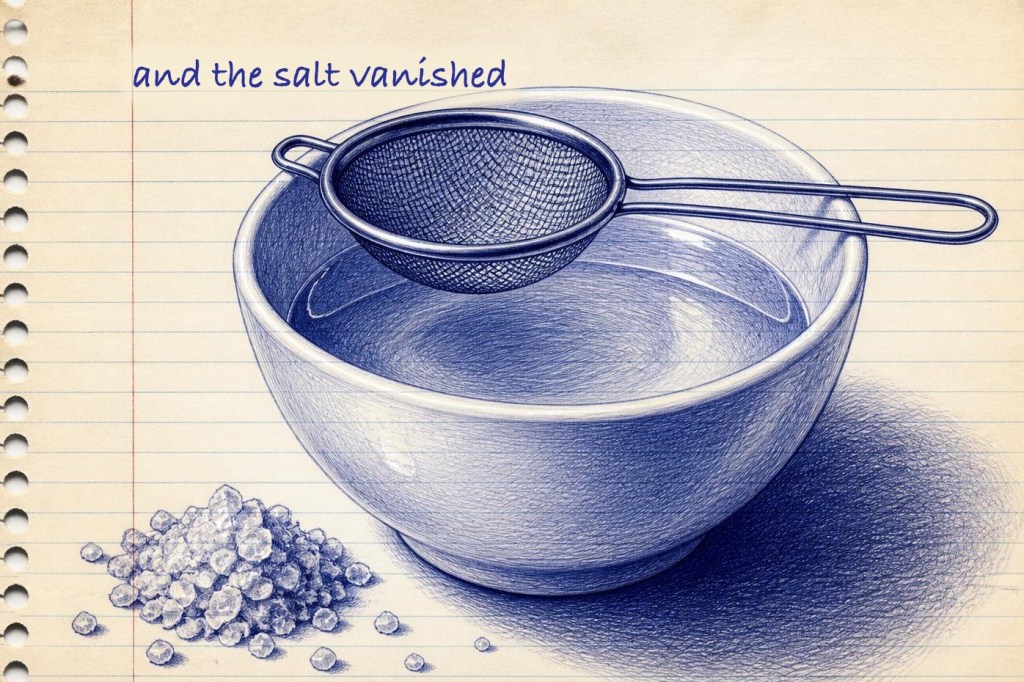
My first day in a professional kitchen, I was a young apprentice, and I was terrified. It was 1975, in Mulhouse, in Alsace, at a restaurant called Wir, where I would spend the next three years. The kitchen was a storm: a brigade of chefs running, shouting, getting ready for lunch. The à la carte was full of dishes that were intricate, precise and hard to execute, and I felt very small.
The executive chef’s office sat inside the kitchen, enclosed in glass like an aquarium, a little higher than the rest of the room. From his desk he could see everything, and he addressed the kitchen through a microphone. If something wasn’t to his liking, he called you up to the office or barked the order over the speaker. He was in his fifties, he looked stern and tired, and he was talking to his sous chefs about the menus and the private events we had to prepare that day.
Then he called me in.
“First day with us?”
“Yes, Chef.”
“I have a mission for you. It’s important, and don’t disappoint me. Go into the dry room, take one kilo of rock salt, and wash it. This salt is very expensive. Do not lose a single gram.”
I did exactly as I was told. I washed the salt. And of course, the salt disappeared.
I was petrified. A few minutes later the chef’s voice came over the microphone: “Bring me the salt.”
The look on my face said everything. The whole kitchen burst out laughing. The chef laughed so hard I thought he might have a heart attack. And from that day on, I was part of the brotherhood of that kitchen.
I have never forgotten what that kilo taught me, and it’s more than a prank. Salt doesn’t sit on top of food. It dissolves into whatever it touches and becomes part of it. That is exactly why when you add it matters so much, and it’s the reason most home cooking tastes flat.
Salt is not seasoning at the end
The most common mistake is salting only when the dish is done. Salt added at the end sits on the surface and tastes like salt. Salt added early goes into the food and makes it taste like itself.
So salt in layers, in small amounts, all the way through:
- Onions and vegetables in the pan at the start. A pinch draws out water and helps them soften instead of scorch.
- Soups and braises after the aromatics, then taste again before serving.
- Pasta water until it tastes like a mild sea. It’s the only chance you get to season the pasta itself.
- Finish with a small pinch, and only after tasting.
Salt meat earlier than you think
For a steak, a chop or a roast, salt at least 40 minutes before cooking. Salt first pulls moisture to the surface, then that moisture dissolves the salt and is reabsorbed. The result is seasoning that goes deeper than the surface. For a whole chicken or a large roast, salt the day before and leave it uncovered in the fridge. The skin dries and crisps, and the meat is seasoned through.
If you only have ten minutes, salt right before it hits the pan. Avoid the middle ground, where the surface is wet and the salt hasn’t had time to go in. That’s how you get a steak that steams instead of sears.
Which salt to use
Use a good sea salt, and use only one for cooking, so your hand learns it. My choice is grey salt from France, such as Sel de Guérande, for the pot, the pan and the oven. For the last pinch on the plate, use a flaky finishing salt such as fleur de sel. I wrote more about both, from the marshes of Guérande to the Camargue, in French Sea Salt: Guérande, Fleur de Sel and the Camargue.
If you can’t find it, use kosher salt for cooking (flaky, easy to pinch) and any flaky sea salt to finish. Brands differ a lot in how salty a spoonful is, so pick one and stay with it. Fine table salt also works, but it is much saltier by the spoonful, so use less. I’d skip anything sold as a miracle salt.
How much?
There’s no universal number, which is the honest answer. Here is how a kitchen thinks about it:
- Taste as you go. A clean spoon every time.
- Season by the weight of the food, not by feel. A common starting point is about 1% salt by weight for meats and vegetables you’re cooking and about 1.5% for something like a roast or a pot of soup. Adjust to your taste.
- Salt from high up. Pinch from about a foot above the food. It scatters evenly instead of landing in clumps.
When it’s too salty
You can rescue some of it. Add acid (lemon, vinegar), fat (butter, cream, olive oil) or unsalted bulk (more stock, a peeled potato in the pot, plain rice). Don’t rely on it. The best fix is salting in smaller steps.
The short version
Salt early, in layers. Salt meat ahead of time. Use a grey salt to cook and fleur de sel to finish. Taste constantly. Do that for a month and your cooking will change more than any new gadget could change it.

Leave a Reply